Type certificate and supplemental type certificate
Every aircraft model is designed to an approved standard, recorded in its type certificate. The type certificate belongs to the manufacturer, the type certificate holder, and covers the aircraft as it was designed and built.
When someone other than the type certificate holder wants to make a major change to that design, they apply for a Supplemental Type Certificate. The STC shows that the aircraft still meets the certification requirements with the change installed. In the European Union the rules are in Part 21 of Commission Regulation (EU) No 748/2012, and EASA issues the certificates. In the United States the FAA issues STCs under 14 CFR Part 21.
Minor or major change
Not every modification needs an STC. Changes are classified as minor or major, depending on how much they affect weight, balance, structural strength, reliability, flight characteristics or other airworthiness aspects. Minor changes can be approved by EASA or, within its privileges, by an approved design organisation. A major change by anyone other than the type certificate holder leads to an STC.
Typical STCs on business jets
- Satellite antennas and cabin connectivity systems
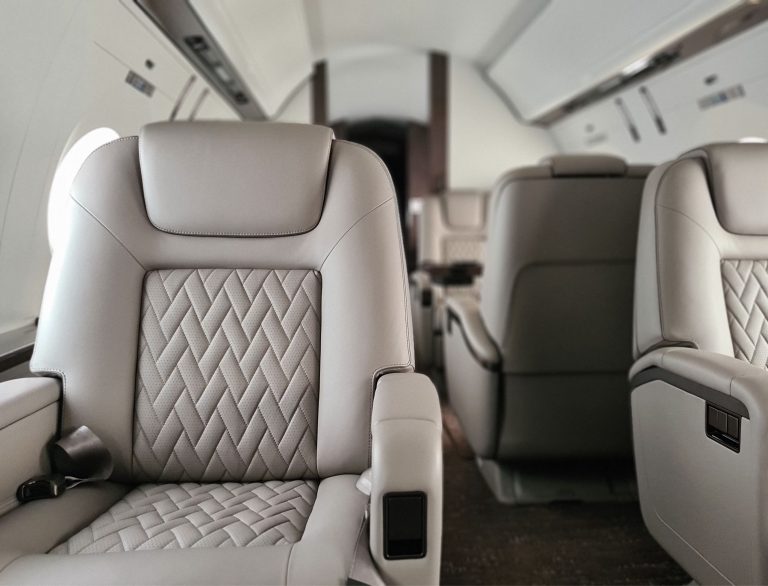
- Cabin interiors, seats and galleys
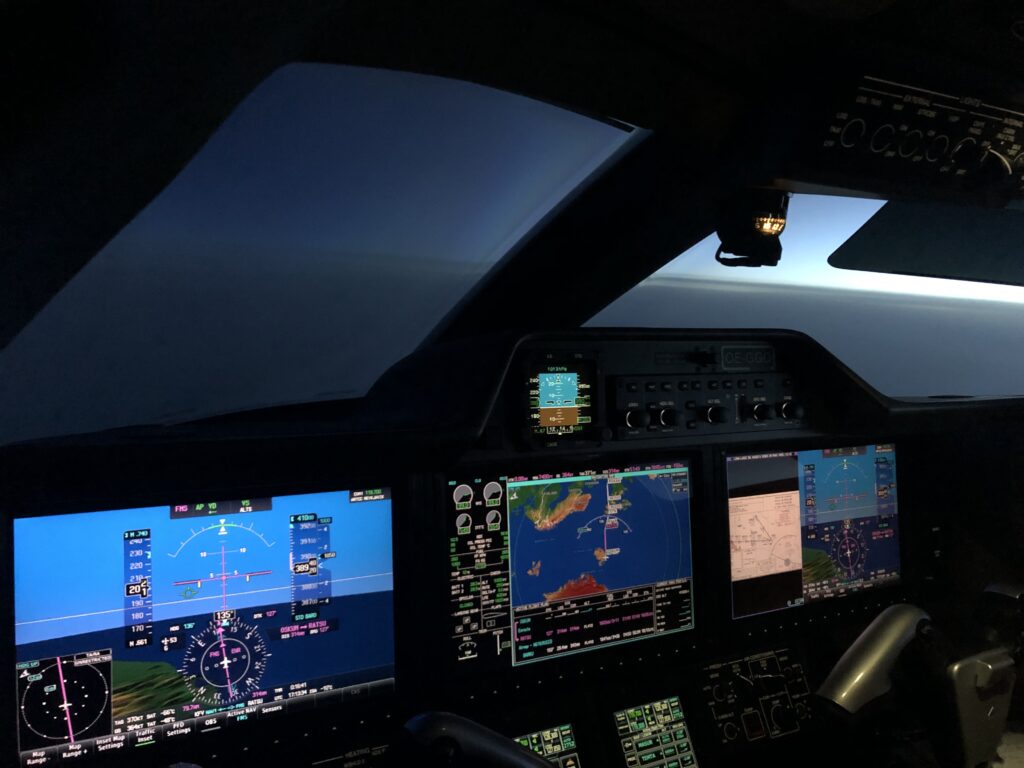
- Avionics and flight deck upgrades
- Winglets and other aerodynamic changes
- Engine and performance upgrades
From approval to installation
An STC approves a design, not a single aircraft. It lists the aircraft models and serial numbers it applies to, and the holder can install it on all of them, often through maintenance organisations working under licence. The installation itself is done by an approved maintenance organisation, which releases the aircraft to service afterwards.
The STC also brings documents with it. If the change affects how the aircraft is flown, there is a supplement to the aircraft flight manual. The weight and balance data are updated. Instructions for continued airworthiness describe how the new equipment must be inspected and maintained, and they become part of the aircraft maintenance programme.
Validation between authorities
An STC issued in one country is not automatically valid everywhere. For an aircraft on a European register, an FAA STC must be validated by EASA, and an EASA STC needs FAA validation before it can be installed on a US-registered aircraft. Agreements between the European Union and the United States, Canada and Brazil simplify this process. For many common modifications the validation is quick. For new or complex designs it can take months, which is one reason an upgrade available in one country may arrive later in another.
What it means for owners and passengers
For passengers, an STC is invisible. It is simply the reason a new Wi-Fi system or a refurbished cabin is safe to use. For owners and buyers, STC paperwork matters more. A complete record of the installed STCs, with all their documents, protects the value of the aircraft and avoids delays when it is sold, changes its registration or moves to another operator.